
























Stop trusting passwords and brittle 2FA. We implement true Industrial Passwordless MFA and identity-based access directly to your critical HMIs and PLCs.
Learn MoreYour 15-year-old RTUs and PLCs can’t be patched – we know. BlastWave creates a "virtual air-gap" and microsegments access, making their unpatched vulnerabilities irrelevant to attackers.
View Demo

Tired of complex ACLs and human-induced firewall breaches? Achieve least-privilege access and stop lateral movement in hours, not months, without production downtime or new hardware.
See How



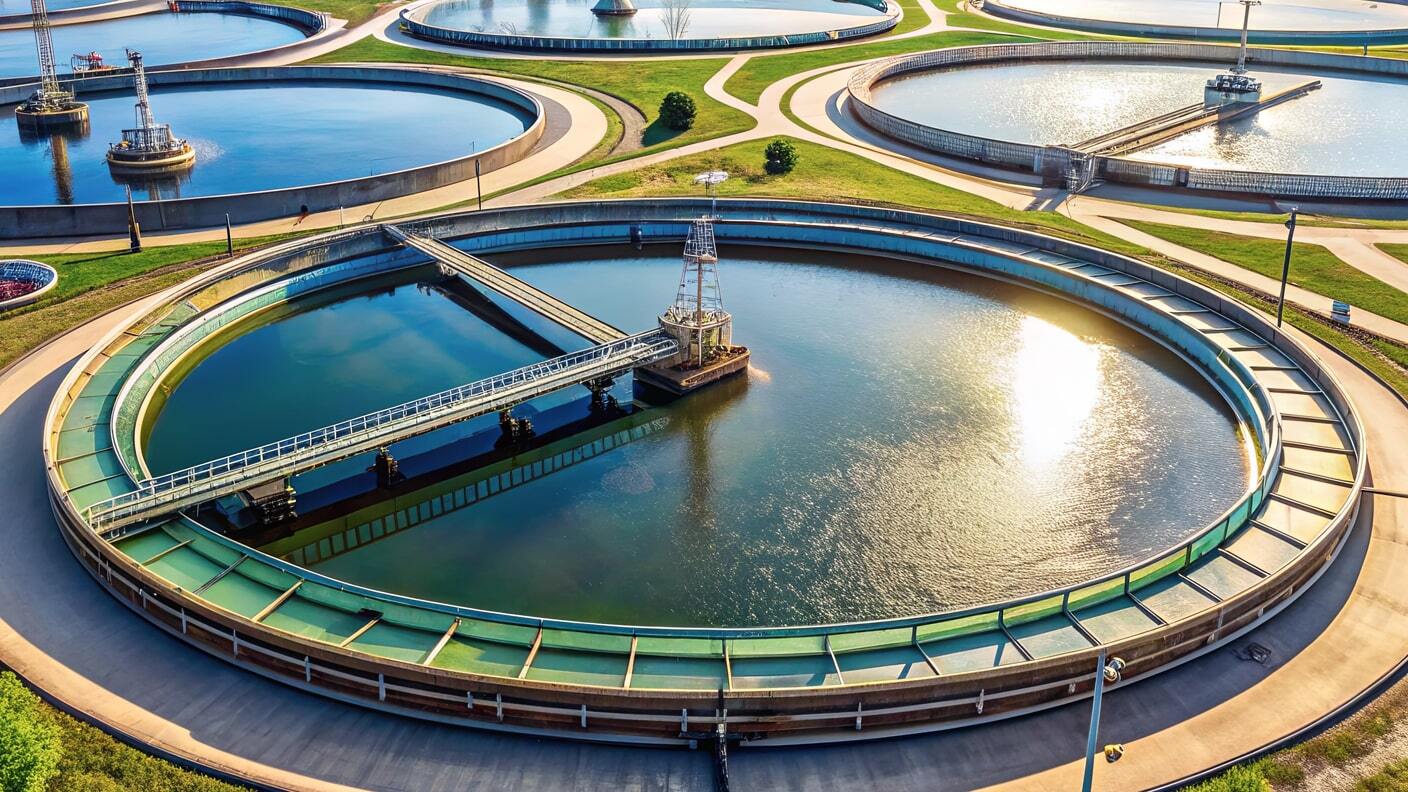











This is not just a cost center. For Critical Infrastructure, protection is about uninterrupted energy delivery and preventing catastrophic health and safety incidents.

Eliminate costly "truck rolls" to remote sites for simple network management or IP conflict resolution. Get an 80/20 solution that saves time and money on deployment and maintenance.
Safely leverage the cloud and deploy autonomous AI agents on the plant floor. BlastWave secures these non-human identities with granular Zero Trust controls.

Implement network resilience into the very fabric of your infrastructure, easily meeting and exceeding regulatory requirements for critical asset protection.

Zero Trust Network Access in 10 minutes
“The security of our data and our customers’ data is our highest priority and we needed a secure platform to provide access to our hybrid data services, hosted both in the cloud and on-premise. BlastShield filled both these needs for us with their patented solution.”
– Emil Erlandsson, Vice President of Professional Services at A2i
Download Full Case StudyBlastWave helps organizations prevent industrial cyberattacks by securing OT, ICS, and SCADA environments with network cloaking, OT secure remote access, and network segmentation.
BlastShield is BlastWave’s OT cybersecurity product suite. It helps protect critical infrastructure by eliminating password-based access, shielding unpatchable legacy systems, and creating secure, segmented access to critical HMIs, PLCs, RTUs, and other OT assets.
BlastWave helps prevent industrial cyberattacks by reducing the exposed attack surface, eliminating credential theft risks, preventing reconnaissance, protecting legacy OT devices, and stopping lateral movement through microsegmentation and Zero Trust access controls.
BlastWave serves OT and critical infrastructure environments across oil and gas, manufacturing, government, water and wastewater, data centers, energy, building management, and ports.
Network cloaking hides critical OT systems from unauthorized users, scanners, and attackers. Instead of leaving HMIs, PLCs, RTUs, and other assets discoverable on the network, BlastWave helps make them invisible unless access is explicitly authorized.
BlastWave secures remote maintenance access to OT networks with identity-based access, phishing-resistant authentication, least-privilege permissions, and software-defined connections that limit access only to approved systems.
Yes. BlastWave helps segment flat OT networks by creating software-defined access boundaries around critical assets. This reduces lateral movement, limits the blast radius of an attack, and avoids the complexity of traditional firewall-heavy segmentation projects.
BlastWave protects legacy OT devices by reducing direct exposure, creating a virtual air gap, and microsegmenting access without requiring fragile or unpatchable PLCs, RTUs, and industrial systems to be modified.
BlastWave helps defend against AI-powered attacks by reducing what automated tools can discover, access, and exploit. Network cloaking, phishing-resistant access, and segmentation make reconnaissance, credential abuse, and lateral movement much harder.
BlastWave is designed to simplify OT security by reducing firewall complexity, eliminating passwords, supporting secure remote access, and helping teams deploy least-privilege protection without production downtime or new hardware.
Industrial cyberattacks often begin with visible systems, stolen credentials, unpatched legacy devices, or lateral movement through flat networks. Here’s how OT teams can reduce exposure and make critical infrastructure harder to find, access, and exploit.
Start by reviewing which HMIs, PLCs, RTUs, engineering workstations, remote access tools, vendor connections, and management services are visible or reachable. If attackers can discover an asset, they can probe it.
Replace passwords, shared credentials, and brittle 2FA with phishing-resistant, identity-based access. Credential theft remains one of the most common ways attackers enter OT environments, so removing passwords reduces a major attack path.
Use network cloaking to make critical OT systems invisible to unauthorized users, scanners, and AI-powered reconnaissance tools. Instead of defending a visible target indefinitely, make the target non-discoverable unless access is explicitly authorized.
Many legacy PLCs, RTUs, and industrial systems cannot be safely patched, upgraded, or taken offline. Protect them by placing secure access controls and segmentation around them, creating a virtual air gap without modifying fragile devices.
Use software-defined microsegmentation to limit which users, devices, and vendors can reach specific OT assets. This reduces lateral movement, limits blast radius, and avoids the complexity of traditional firewall-heavy segmentation projects.
Replace broad VPN access and insecure remote tools with controlled OT secure remote access. Remote users should only reach the specific systems they are authorized to maintain, with identity-based controls and session-level visibility.
Simplify access policy management so security does not depend on fragile ACLs, manual firewall rule changes, or production-disrupting network redesigns. The goal is security that supports operational continuity instead of interrupting it.
After deploying cloaking, passwordless MFA, secure remote access, and segmentation, test whether unauthorized users can still discover critical systems, steal usable credentials, or move laterally across the OT network.


.svg)


.svg)