
BlastWave is a digital security perimeter for port OT networks, safeguarding critical systems like cranes, loading/unloading equipment, and traffic management. It hides vulnerable devices, ensures only authorized access with passwordless security, and segments the network to contain breaches. This minimizes disruptions, prevents cargo theft, and provides smooth, secure port operations.
Modern ports rely on complex Operational Technology (OT) networks to manage critical operations like cargo handling, traffic control, and infrastructure monitoring. Cyberattacks increasingly target these networks, posing significant risks to port security, operational efficiency, and cargo integrity. BlastWave provides a robust Zero Trust security solution designed to protect these vital systems, ensuring port facilities' safe and efficient operation.
How BlastWave Fortifies Port OT Networks:

BlastWave's network cloaking technology renders sensitive OT systems, including crane control systems, loading/unloading equipment, and traffic management systems, invisible to unauthorized users. This proactively prevents reconnaissance and eliminates potential attack vectors, significantly reducing the attack surface.
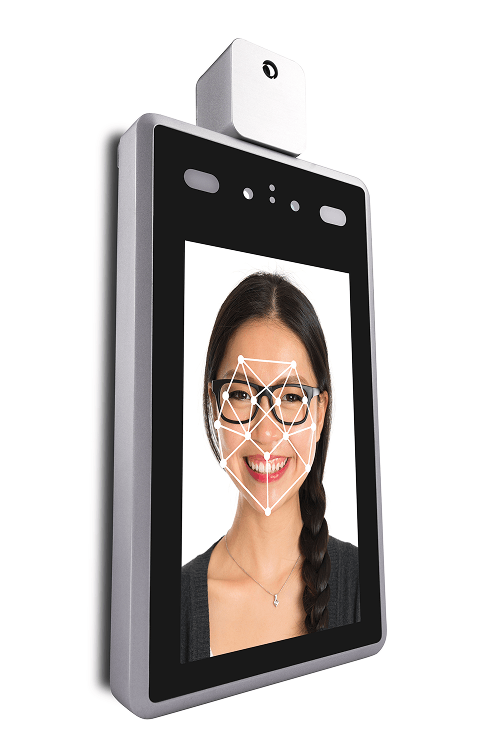
By eliminating passwords, BlastWave thwarts phishing and credential theft, ensuring only authorized personnel, including port operators and maintenance technicians, can access critical systems. This is vital for securing remote access and preventing unauthorized control.

BlastWave enables the creation of secure zones and conduits, isolating critical systems and limiting lateral movement in case of a breach. This is essential for containing the impact of attacks and protecting sensitive operational data.
BlastWave facilitates secure remote access for monitoring and control of port infrastructure, enabling efficient maintenance and operational management. Access is strictly controlled, ensuring least privilege and time-limited access, which is crucial for maintaining port uptime.

BlastWave's network cloaking and strong authentication capabilities effectively counter advanced persistent threats, including those leveraging AI-driven reconnaissance and social engineering.
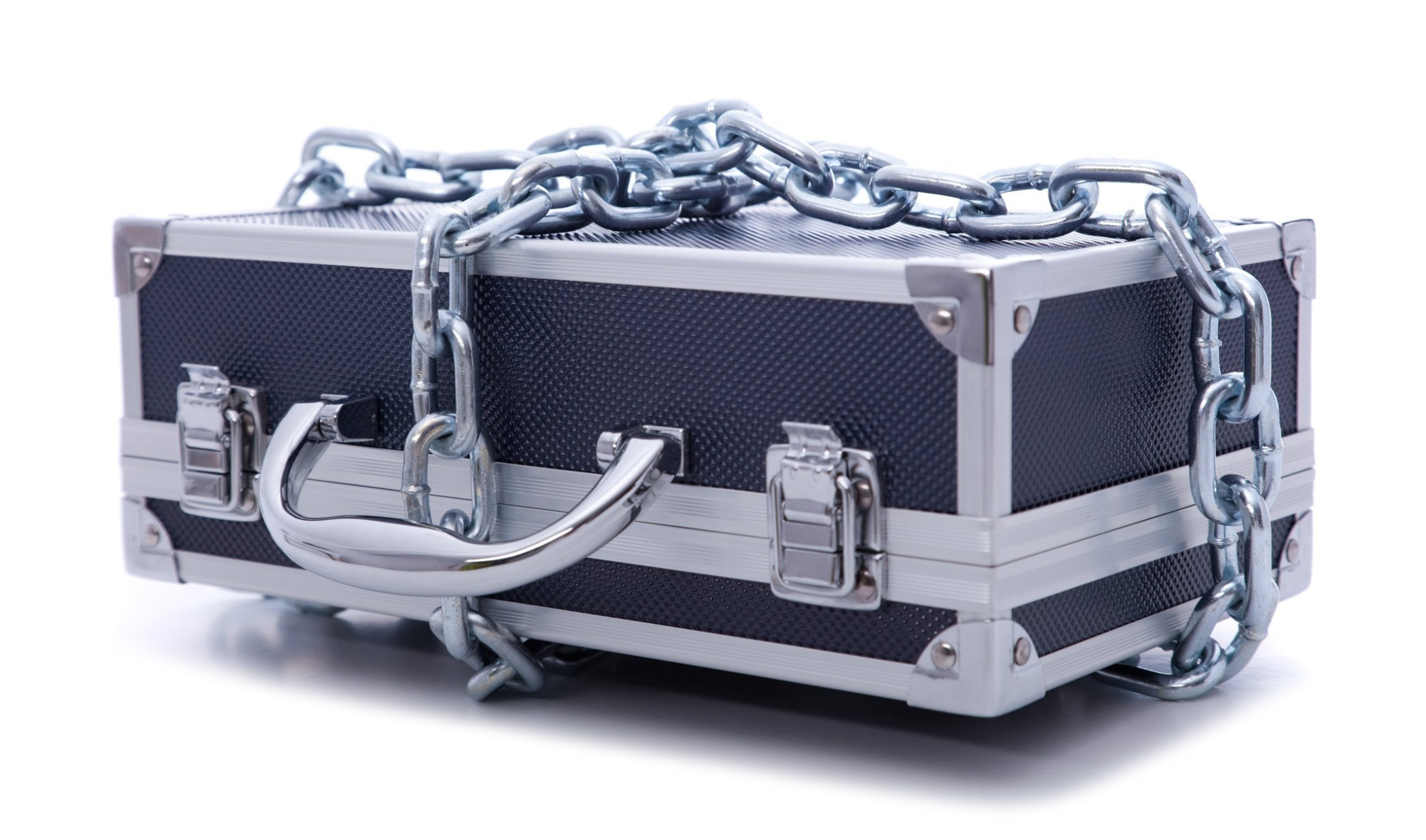
By preventing cyberattacks and containing breaches, BlastWave minimizes disruptions and ensures the continuous and secure operation of port infrastructure, safeguarding cargo and preventing theft.
BlastWave implements a true Zero Trust architecture, verifying every connection and enforcing least privilege access. Our solution is designed to ease deployment and management, minimizing disruption to existing port operations. By implementing BlastWave, port operators and facility managers can significantly enhance their OT security posture, protect their critical systems, and ensure their port infrastructure's reliable and secure operation.
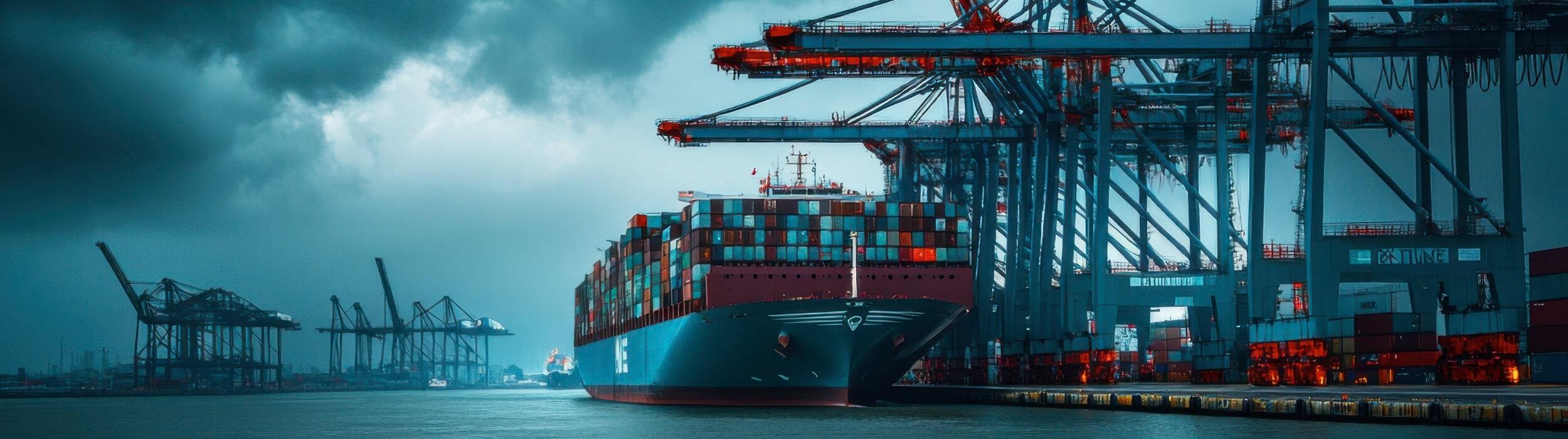
BlastWave provides Zero Trust cybersecurity for port OT networks, helping protect critical systems such as cranes, loading and unloading equipment, terminal operating systems, traffic management systems, surveillance systems, and environmental monitoring systems.
Ports rely on OT networks to manage cargo handling, crane operations, truck and vessel traffic, access control, infrastructure monitoring, and logistics. If these systems are compromised, attackers could disrupt operations, damage cargo, manipulate traffic flow, or create safety and security risks.
BlastWave protects port infrastructure with network cloaking, passwordless MFA, granular segmentation, microsegmentation, secure remote access, and least-privilege Zero Trust access controls.
Network cloaking makes sensitive port OT systems invisible to unauthorized users and reconnaissance tools. This helps prevent attackers from discovering crane controls, loading equipment, traffic systems, surveillance systems, and other critical assets.
Passwordless MFA removes passwords from the access process, helping prevent phishing and credential theft. This ensures only authorized port operators, maintenance technicians, vendors, and contractors can access critical systems.
BlastWave enables secure remote access for maintenance personnel and vendors to diagnose, monitor, and repair port equipment. Access can be limited to only the systems and data needed for the task, supporting least-privilege and time-limited access.
Segmentation and microsegmentation divide port OT networks into secure zones and conduits. This limits lateral movement, contains breaches, and reduces the blast radius of a cyberattack.
BlastWave can help protect crane control systems, loading and unloading equipment, conveyor systems, automated guided vehicles, terminal operating systems, traffic management systems, gate control systems, access control systems, CCTV, surveillance systems, and environmental monitoring systems.
Yes. BlastWave can help protect legacy port systems that cannot be patched by applying Zero Trust network-layer controls and limiting access to authorized users and systems.
BlastWave helps protect ports from AI-powered reconnaissance and social engineering by hiding critical network assets, enforcing passwordless authentication, and limiting lateral movement across port OT networks.
Start by identifying the systems that support safe and efficient port operations. These may include crane controls, loading and unloading equipment, conveyors, AGVs, terminal operating systems, traffic management systems, gate controls, access control, CCTV, and environmental monitoring systems.
Use network cloaking to make sensitive OT systems invisible to unauthorized users and reconnaissance tools. This reduces the ability of attackers to find and target exposed port infrastructure.
Use passwordless MFA to reduce phishing and credential theft risk for port operators, maintenance technicians, vendors, contractors, and remote support teams.
Create secure zones and conduits for crane systems, loading equipment, terminal operating systems, traffic management, surveillance, access control, and environmental monitoring. Allow only required communication between approved users, devices, and systems.
Give remote maintenance teams and vendors access only to the systems and data needed for their work. Limit access by identity, device, role, policy, and operational need.
Secure crane operation systems, remote crane monitoring, automated loading and unloading systems, conveyors, and AGVs from unauthorized access or manipulation.
Protect terminal operating systems from unauthorized access that could disrupt cargo tracking, inventory, logistics, gate controls, truck traffic, or vessel traffic.
Secure CCTV, access control systems, restricted-area controls, and other surveillance systems from tampering, data theft, unauthorized access, or malicious shutdown.
Secure sensors and monitoring systems that track environmental conditions and hazardous material levels within the port.
Use network cloaking, segmentation, passwordless MFA, and Zero Trust access policies to hide critical assets, reduce attack paths, and limit the blast radius of cyberattacks across port OT networks.
Getting started with BlastShield is easy and free. Follow the three steps below and get up and running fast.
%20(1).svg)
Create a Free Trial
Account
.svg)
Download the BlastShield Authenticator & Client
.svg)
Make Your Host Invisible
In Minutes
.svg)


Privacy Policy | Cookie Policy | © 2025 BlastWave, Inc. All Rights Reserved
This website uses cookies to ensure you get the best experience. More Info