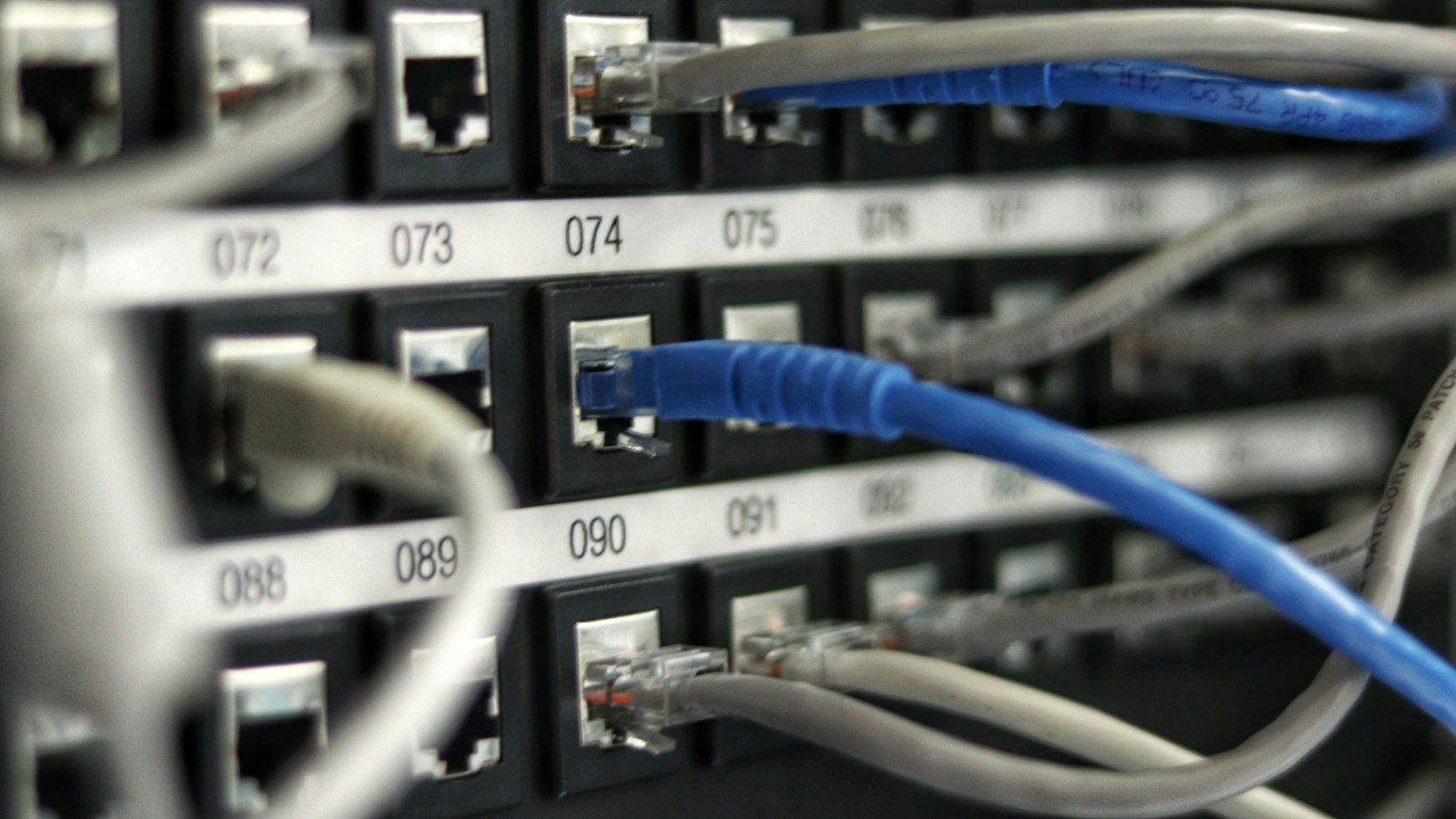
To prevent lateral movement from IT to OT, remove the network paths between them. Do not only filter them. Give IT hosts no default route to OT. Make each connection use an authenticated identity, and segment each OT device. BlastWave BlastShield does this with identity-based microsegmentation and network cloaking. There is no agent on protected OT assets and no re-architecture.
Why attackers get from IT to OT
Most OT incidents do not start in OT. An attacker gets control of an IT laptop, steals credentials, and looks for a path to OT. Usually, the attacker finds a path, for three reasons:
- Flat or shared networks. Forescout Research - Vedere Labs analyzed 47,700 network segments with more than 2.5 million devices in 209 organizations (data collected August 2026). It found that "Of all segments containing OT devices, 13% are OT-only." In most segments, OT is on the same network as other devices.
- Trust based on location. Firewalls and VLANs trust a host if its IP address is in an allowed range. A compromised IT host gets that trust.
- Systems that connect IT and OT. Historians, jump servers, and remote access gateways must communicate with the two sides. Attackers usually cross to OT through these systems.
NIST SP 800-82r3 and the CISA guidance on Zero Trust principles for OT give the same recommendation. Do not give access because of network location. Authorize each connection explicitly.
How to prevent lateral movement from IT to OT: six steps
- Separate IT and OT with a controlled boundary. NIST SP 800-82r3 recommends a defined boundary between the enterprise and OT networks. Put shared systems, for example the historian, in a DMZ. The CISA segmentation guidance describes the same layered model.
- Make the boundary default-deny. Give no IT host network-layer access to an OT device without a named policy. Remove "temporary" any-any rules and old remote access paths.
- Authorize by identity, not by IP address. Make each user and each machine authenticate before it can connect to an OT asset. With passwordless authentication, there is no credential that an attacker can steal from an IT laptop and use again on OT.
- Segment each device in OT. A boundary alone does not stop an attacker who gets past it. Give each user and system access to only the devices and protocols that are necessary. Then a compromised HMI cannot connect to adjacent PLCs.
- Protect the systems that connect IT and OT. Historians, jump servers, and engineering workstations must accept connections only from authenticated, authorized users. Remote access must open no inbound ports. CISA gives the two controls in its primary mitigations for OT.
- Plan containment and continue to monitor. Before an incident, decide who removes a compromised IT host from OT policies. Also decide how fast that change can go through change control. Continue to monitor east-west traffic, so that you know when a host tries to cross.
Segmentation approaches compared
| Approach | Basis for access decisions | Changes to OT devices | Works on legacy devices | Effort to change policy | Passwordless MFA |
|---|---|---|---|---|---|
| VLANs and firewall rules | Network location (IP, port, VLAN) | None | Yes | Rule changes through OT change control | No |
| Network access control (802.1X) | Device authentication at the switch port | Device must support 802.1X | Often no. Many OT devices do not support it. | Switch and NAC configuration | No |
| Network monitoring | Does not decide access; monitors and alerts | None | Yes | Not applicable | No |
| Identity-based microsegmentation with cloaking (BlastShield) | Authenticated user and device identity, per device and protocol | None, no agent on the protected asset | Yes | Policy change, effective in seconds | Yes |
These approaches work together. Detection finds it. BlastWave makes it unreachable.
How BlastShield prevents IT-to-OT lateral movement
BlastShield replaces location-based trust with identity-based access. OT assets are behind a BlastShield Gateway, which operates as a VM, container, or appliance. Only authenticated users and devices can connect to them. Each user and device can connect only to the devices and protocols in its policy.
- No default path from IT. Protected assets do not answer unauthenticated traffic. Thus, a compromised IT host cannot scan or connect to them.
- Segmentation of each device without re-architecture. There are no ACLs and no VLAN redesign. The only new network hardware is the Gateway.
- No agent on protected OT assets. PLCs, HMIs, and RTUs stay exactly as they are. Use the optional BlastShield Agent for integration with IT systems.
- Protected hosts between IT and OT. Cloaking now also protects hosts with the BlastShield Agent. These servers and workstations silently drop unauthenticated packets, exactly as a Gateway does. If the Agent is installed and self-isolation is on, the host accepts inbound traffic only over BlastShield.
- Fast containment. A new policy takes effect in seconds, often in less than one second. An operator can remove a compromised IT host from all OT policies without a change to firewall rules or VLANs.
- Passwordless authentication. Users authenticate with a QR challenge and local biometrics. Thus, there is no password that an attacker can steal from an IT laptop.
- No added control-loop delay. Latency is measured in microseconds rather than milliseconds. We can validate it on your hardware.
What BlastShield does not do
- It does not find assets. It supports asset inventory controls, but you must still have an inventory.
- It does not examine protocol content. BlastShield operates at Layer 4. It controls which users can connect to an asset, not the content of a permitted session.
- It makes insider attacks more difficult, but it does not remove them. It is difficult to stop a determined insider on the local network with any control, including this one.
- It does not replace monitoring. Continue to monitor east-west traffic.
Frequently asked questions
How do you prevent lateral movement from IT to OT?
Remove the default network path from IT to OT. Make each connection use an authenticated identity. Segment each OT device. Identity-based tools, for example BlastShield, do this without a change to the OT devices.
Is a firewall between IT and OT enough?
It is a necessary first step, but it is not sufficient. A firewall makes decisions by network location. Thus, a compromised host in an allowed IP range gets access. Identity-based access and segmentation of each device close that gap.
Can I stop lateral movement without re-architecting my network?
Yes. Software-defined segmentation operates as an overlay on the current network, with no ACLs and no VLAN redesign. BlastShield adds a Gateway in front of the protected assets. The Gateway operates as a VM, container, or appliance.
How do I segment legacy devices that can't run an agent?
Protect them at the network layer. BlastShield does not install an agent on the protected asset or change the firmware. Thus, older controllers and HMIs get the same policy for each device as new ones.
Does segmentation satisfy NERC CIP or IEC 62443?
Segmentation supports requirements in the two standards, but compliance depends on your program and auditor. BlastWave publishes compliance mappings for IEC 62443, NERC CIP, the TSA Security Directive, NIS2, the EU CRA, and CMMC Level 2.
What should I do when an IT system is compromised?
Contain it first. With identity-based policy, an operator removes the host from all OT policies. The change takes effect in seconds, with no firewall or VLAN change.
See it on your own network
Request a demo. While you watch, we do a scan of a protected controller, and you keep the result. Then an authorized operator connects to the same device, and an unauthorized host cannot connect. You can bring your own scenario.
Sources
- NIST SP 800-82 Rev. 3, Guide to Operational Technology (OT) Security
- CISA, Primary Mitigations to Reduce Cyber Threats to Operational Technology
- CISA, Layering Network Security Through Segmentation (infographic)
- CISA, Adapting Zero Trust Principles to Operational Technology
- NCSC, Secure connectivity principles for OT, principle 6
- Forescout Research - Vedere Labs, What 47,700 Segments Reveal About Network Segmentation (data collected August 2026)

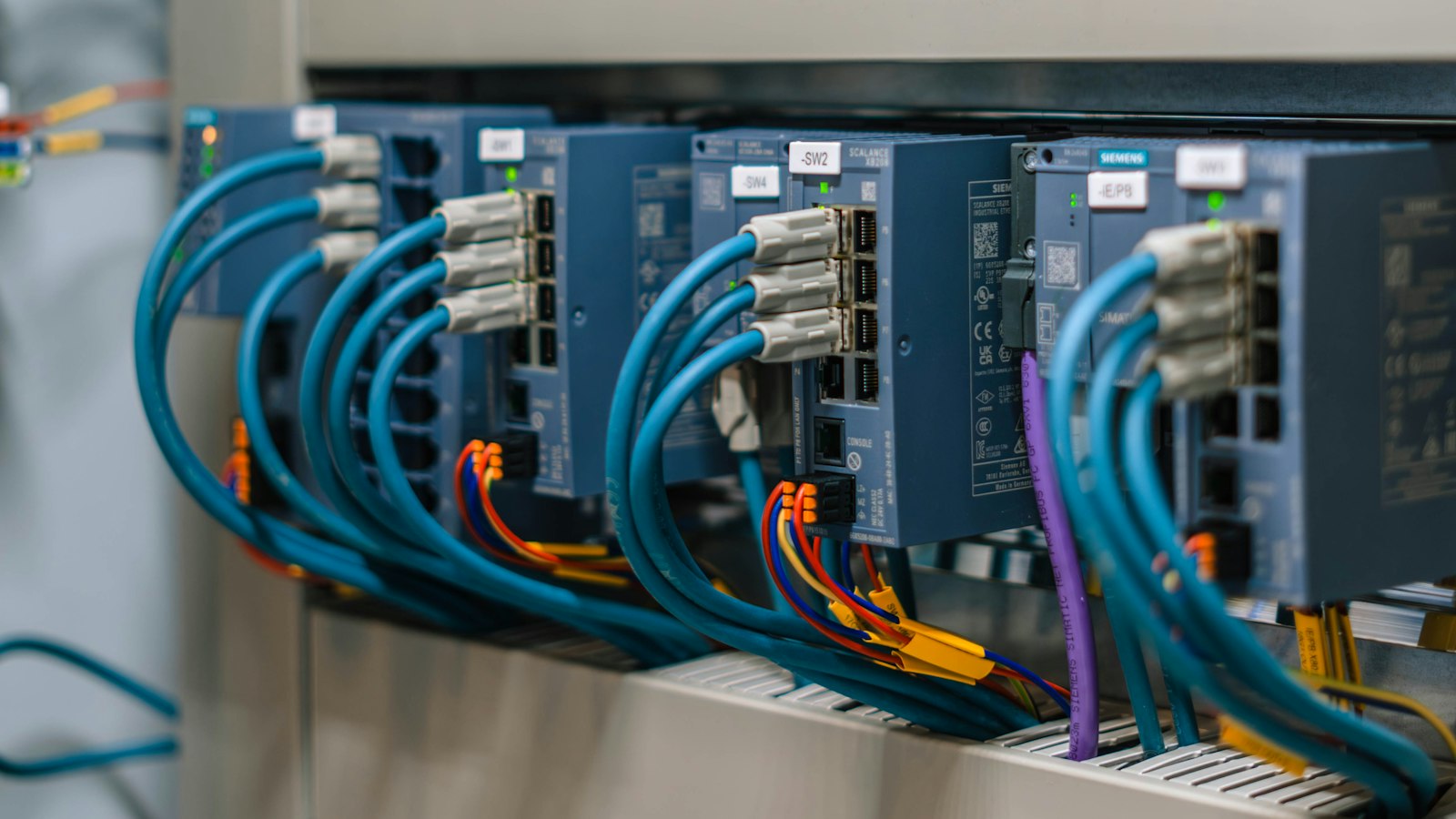





American Water’s cyber incident shows why water utilities need stronger OT isolation to stop IT breaches from threatening critical infrastructure operations and availability.
Explore the complete analysis of 23 OT attacks that defeated firewalls, VPNs, and air gaps.