“This Year I Will…”: The Top 5 OT Security Health Resolutions for a Breach-Free 2026

January is usually the season of "more." More budget requests, more tool deployments, and more complexity added to the stack. But if you look back at the chaos and volume of major breaches in 2025, it becomes clear that "more" isn't working.
With that in mind, here are my top 5 resolutions for OT security leaders in 2026. Let’s make this the year we stop fighting the attackers and start ghosting them.
Resolution #1: I Will Finally Fire My VPN
The Virtual Private Network (VPN) was invented in 1996. In internet years, that is the Stone Age.
The fundamental flaw of a VPN is its "Connect, then Authenticate" architecture. Your VPN concentrator sits on the public internet, broadcasting its existence, waiting for a connection. It is a sitting duck for the AI-driven scanning bots that now scour the IPv4 space 24/7. Once a hacker finds a vulnerability in the VPN appliance (and they always do), they are in.
The 2026 Resolution: Flip the architecture.
Move to a Software-Defined Perimeter (SDP) model with the rule: "Authenticate, then Connect." Make sure the door is locked and hidden before anyone even knows it's there.
Resolution #2: I Will Make "Invisibility" My Default Posture
For decades, we have relied on "Security by Obscurity" as a derogatory term. But in the age of automated attacks, Invisibility is the only viable strategy.
If your OT gateway responds to a ping, it is on a target list. It doesn’t matter how strong your password is; if the login prompt is visible, you are playing a game of probability where the attacker has infinite guesses.
The 2026 Resolution: Go dark.
We need to configure our remote access so that unauthorized users see nothing. No open ports. No login screens. To the outside world, your critical infrastructure shouldn’t look like a fortress; it should look like empty space.
Resolution #3: I Will Stop Believing in the "Air Gap" Fairy Tale
We need to be honest with ourselves: The air gap is dead.
Between predictive maintenance vendors requiring cloud access, engineers using LTE modems for convenience, and the convergence of IT/OT for data analytics, your network is connected. Pretending it isn't just leaves you with a flat, unsegmented network that is easy to traverse once breached.
The 2026 Resolution: Assume the breach has already happened.
Implement Microsegmentation. If a contractor’s laptop is compromised and they connect to your network, they should only see the one specific machine they are authorized to fix (not your entire Domain Controller or safety systems). Stop lateral movement dead in its tracks.
Resolution #4: I Will Prioritize "Time-to-Access" for My Users
Security that is difficult to use is security that gets bypassed.
We have all seen it: An operator writes a password on a sticky note or sets up a rogue TeamViewer instance because the corporate secure access solution takes 15 steps and lags. Shadow IT is a symptom of bad UX.
The 2026 Resolution: Make the secure way the easy way.
At BlastWave, we obsess over this. If secure remote access is faster and simpler than the insecure workaround, your employees will actually use it. Security cannot be a roadblock to operations; it must be an enabler.
Resolution #5: I Will Learn from the "Physics" of Failure
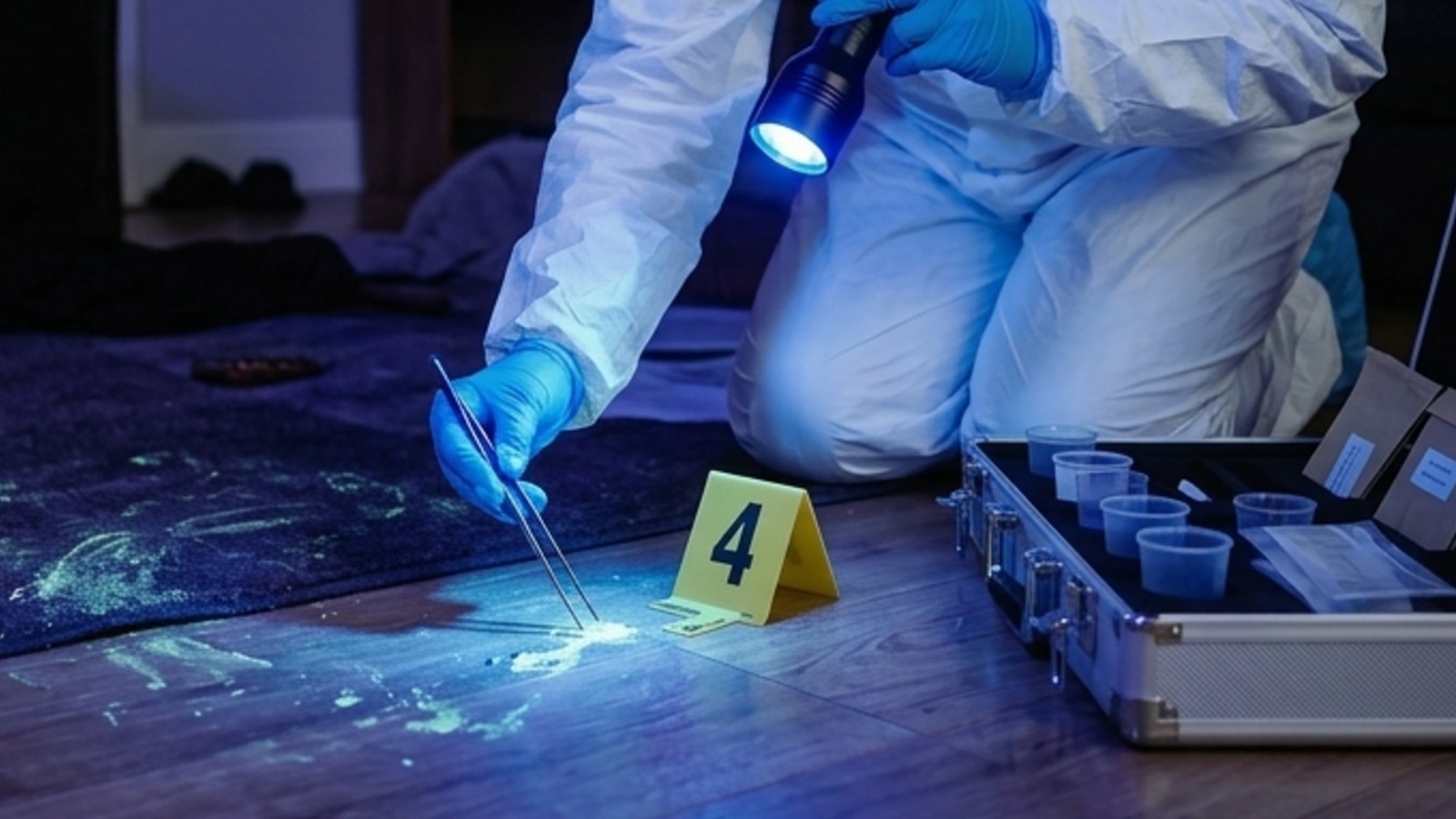
When we built Hackopedia, our goal was to reverse-engineer the major breaches of the last decade.
The pattern we found was shocking in its simplicity. It wasn't usually "Mission: Impossible" style heuristics. It was almost always a failure of visibility - exposed RDP ports, unpatched edge devices, and flat networks.
The 2026 Resolution: I will use data, not fear, to drive decisions.
Commit to understanding how the breaches happen. Don't buy a tool because it has "AI" in the name. Buy a solution because it mechanically eliminates the attack vector that took down your competitor.
The Bottom Line for 2026
This year, you have a choice. You can buy more boxes, patch more vulnerabilities, and hope for the best.
Or, you can change the physics of the battlefield. You can make your network invisible.
Let’s make 2026 the boring year in cybersecurity we all deserve.






American Water’s cyber incident shows why water utilities need stronger OT isolation to stop IT breaches from threatening critical infrastructure operations and availability.
Explore the complete analysis of 23 OT attacks that defeated firewalls, VPNs, and air gaps.

.svg)
.svg)