Hackopedia Case Study: Bridgestone and the Multi-Million-Dollar Click

I spent a lot of time digging through the wreckage of cyberattacks for the Hackopedia. The 2022 Bridgestone hack is an unfortunately all-too-familiar story I encountered multiple times in my research. This hack used the oldest trick in the book: Phishing, followed by a lateral sprint into the OT network.
The "Oops" Heard 'Round the World
For those who don't remember, in February 2022, Bridgestone, one of the largest tire manufacturers on the planet, detected unauthorized activity on its network. The LockBit ransomware gang had moved in.
To contain the threat, they had to do the one thing every manufacturer fears most: disconnect.
They shut down computer networks at manufacturing plants across North America and Latin America. Workers at plants in Tennessee, Iowa, and Canada were sent home. Production lines that should have been churning out thousands of tires an hour stood silent.
We are talking about a massive, total real-world shutdown. While Bridgestone recovered, the cost of idling that much manufacturing capacity even for a few days is astronomical. We aren't just talking about IT recovery costs; we are talking about lost revenue that can never be recovered.
The Common Thread: Phishing & Lateral Movement
Why does this keep happening?
In the Hackopedia, I see this pattern constantly:
- The Phish: An employee or contractor clicks a bad link. Maybe it looked like an invoice or a password reset.
- The Foothold: The attacker gets IT credentials.
- The Jump: Because the network is flat or poorly segmented, the attacker uses those IT credentials to "see" the OT network. They move laterally from a corporate laptop to a critical server.
- The Ransom: They deploy the encryption, and the lights go out.
Bridgestone was a victim of the "Trust Inside" fallacy. Once the attackers were inside the perimeter, the doors to the manufacturing floor were visible.
The "Insurance" You Actually Need
This is where the economics of OT security drive me crazy.
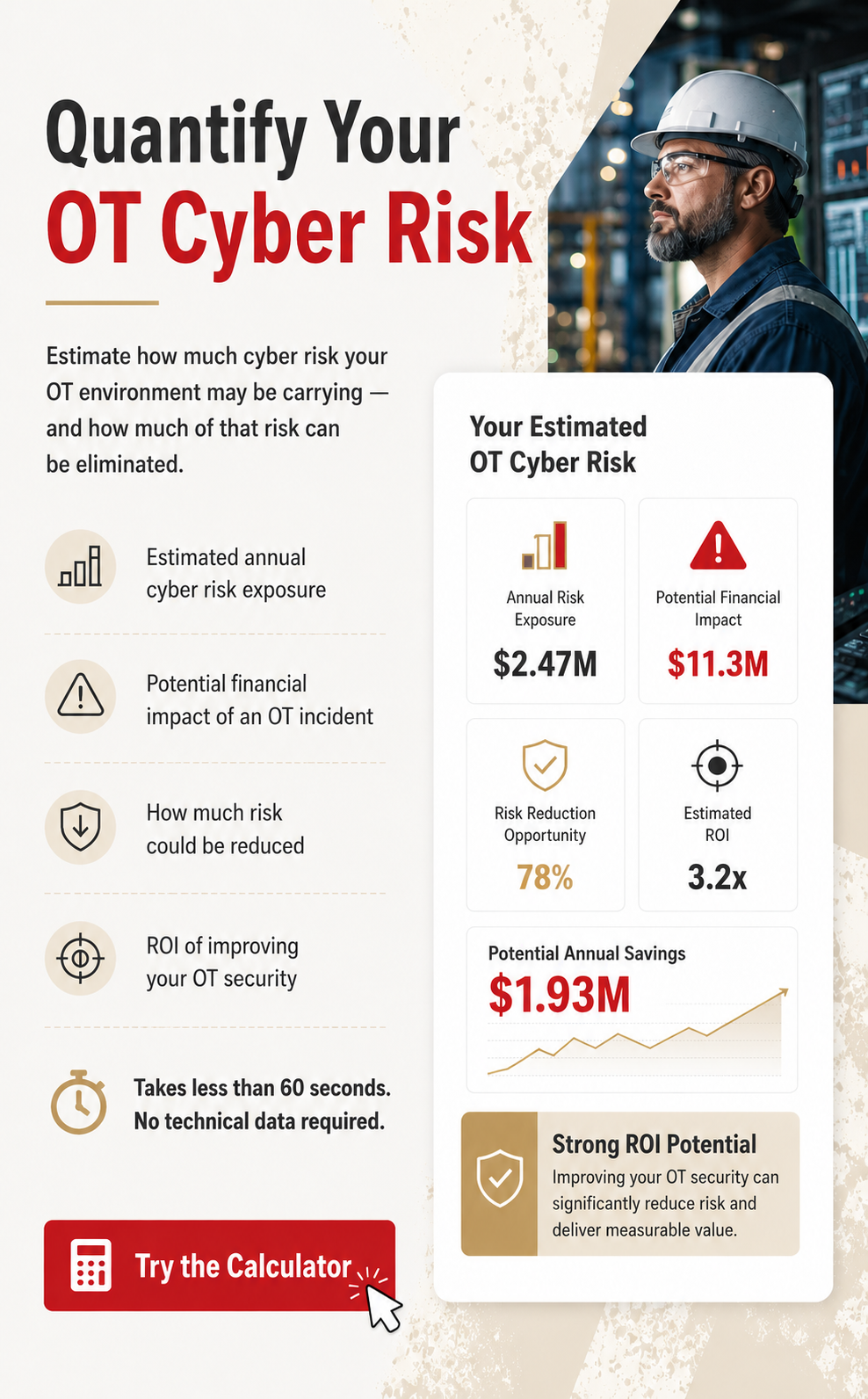
When I talk to executives, they often cringe at the cost of "cybersecurity." But let’s look at the math. The downtime from the Bridgestone hack likely cost them tens of millions of dollars (I saw multiple estimates ranging from $100-150M) in lost production and remediation costs.
Now, compare that to the cost of a solution like BlastWave.
If Bridgestone had utilized Network Cloaking, our method of making OT assets invisible, that initial phishing email would have been a dead end.
- Phishing fails: Even if the attacker stole a user’s password, they wouldn't have been able to "see" the OT network to deploy the ransomware.
- Lateral movement stops: With our software-defined microsegmentation, a compromised laptop in HR cannot connect to a PLC on the factory floor. The bridge is burned before the enemy can cross it.
We are talking about a low-cost, high-impact solution (tens of thousands of dollars) that could have prevented a high-cost catastrophe (millions of dollars).
The Takeaway
I wrote Hackopedia not just to document history, but to try to prevent its repetition. The Bridgestone hack is a reminder that your OT network is only as strong as your distracted employee.
You can't stop people from clicking on phishing links. But you can stop that click from bringing your factory down. It’s time to stop relying on training manuals and start making our critical networks invisible to the bad guys.
Don't let your company be the next chapter I have to write.
— Cam Cullen, CMO, BlastWave






American Water’s cyber incident shows why water utilities need stronger OT isolation to stop IT breaches from threatening critical infrastructure operations and availability.
Explore the complete analysis of 23 OT attacks that defeated firewalls, VPNs, and air gaps.
Less than 8% of OT and ICS Companies Have Robust AI Deployment, According to new Nozomi Networks and BlastWave-Sponsored Takepoint Research

.svg)
.svg)