The Intern With a Master Key: Why AI Could Be OT’s Most Dangerous “Helper” Yet
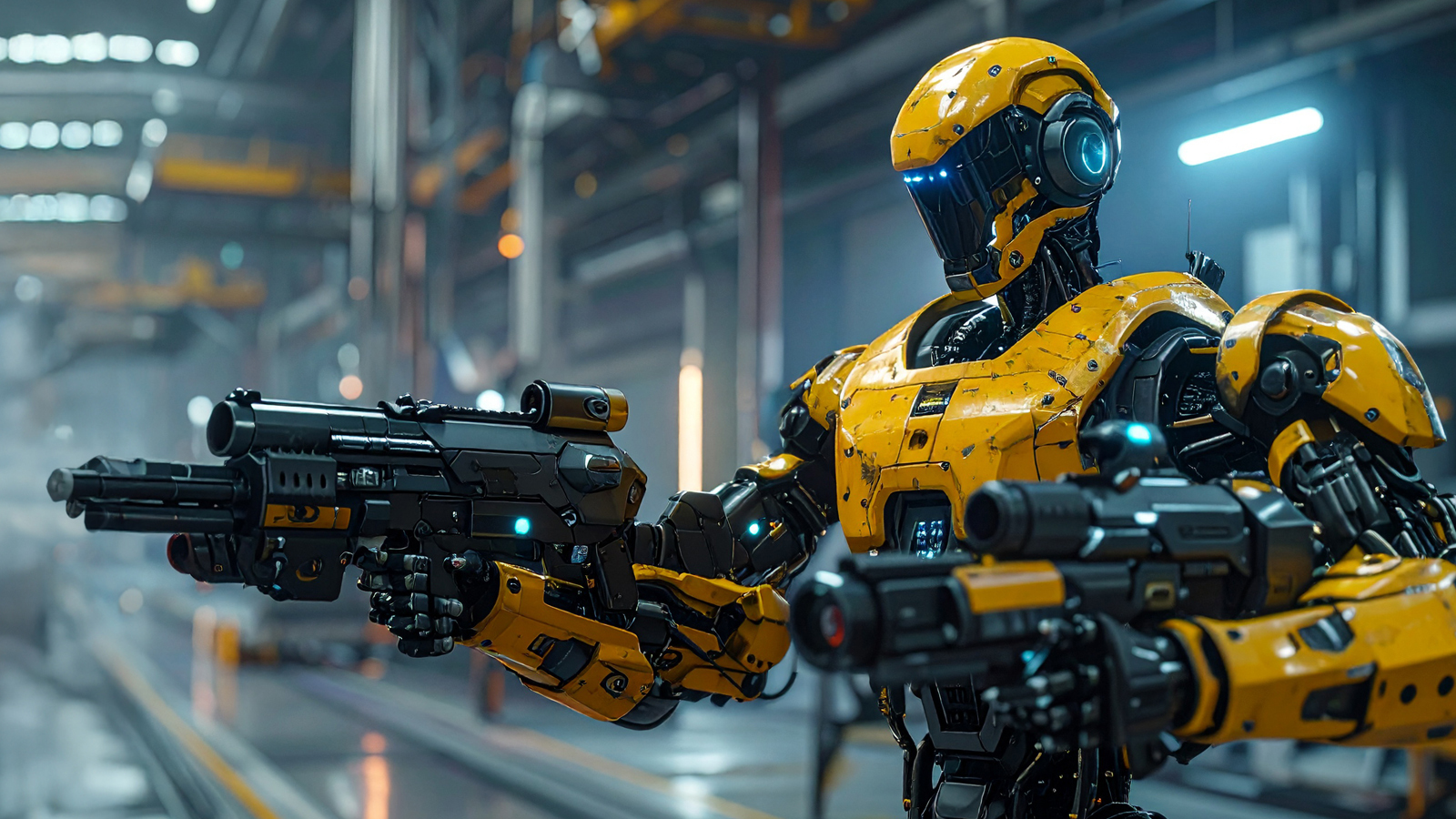
Everybody wants AI in the workflow.
AI to summarize. AI to recommend. AI to automate. AI to speed things up. AI to “help” the operator, the engineer, the analyst, the contractor, the person remote into a plant at 2:17 a.m. trying to solve a problem before it becomes tomorrow morning’s incident report.
On paper, that all sounds efficient.
In an OT environment, it can also sound like handing a summer intern a clipboard, a badge, and access to the control room because they were very persuasive in the interview.
That is the part of the AI conversation that still feels undercooked. We spend plenty of time talking about AI as a weapon in the hands of attackers. Fair enough. But we spend far less time talking about AI inside the workflow as a source of bad decisions, bad actions, and bad outcomes at machine speed.
Because in OT, “oops” is not a typo. It is downtime. It is a process upset. It is the wrong setting applied to the wrong asset. It is a system doing exactly what it was told by something that never should have been trusted that much in the first place.
Think of it like handing a brand-new contractor a master key, a radio, and partial instructions, then telling them to “go be useful” inside a live facility. Maybe they help. Maybe they open the wrong door. Maybe they follow the wrong voice on the radio. Maybe they confidently walk into the one room they should never touch. That is the OT problem with AI in plain English. The issue is not just whether it is malicious. The issue is whether it has access, context, and the ability to act before a human catches the mistake.
An AI assistant does not need to be evil to be dangerous. It just needs access, confidence, and incomplete understanding.
The Bigger Problem Is Not Just Attackers Using AI
Most security teams are trained to look outward.
They think about ransomware crews, hostile insiders, stolen credentials, exposed services, and remote access that should have been retired two audits ago. Those are still real problems. They are not going away.
But AI changes the shape of the risk because it introduces a new participant into the environment. Not quite user. Not quite application. Not quite operator. Something in between.
And that in-between space is where trouble starts.
An AI browser that can see screens, scrape context, and interact with web apps is not just a passive observer. An agent that can retrieve instructions, write scripts, or take action on behalf of a user is not just a note taker. A chatbot that can be fed procedures, diagrams, settings, or documentation is no longer just a search box with better manners.
It is now part of the workflow.
That means it can be manipulated. It can be misled. It can be fed poisoned inputs. It can confidently produce the wrong recommendation. It can “help” a human make a mistake faster than they would have made it on their own.
It is the digital version of giving a forklift to someone who has read the manual, watched three videos, and sounds incredibly confident, but has never actually driven in your warehouse. The danger is not evil intent. The danger is speed plus access plus misplaced trust.
That is the AI problem in OT.
Not magic. Not sentience. Just speed, access, and misplaced trust.
The Fix Is Still the Same: Better Architecture Beats Smarter Guessing
This is why the answer is not “just let defensive AI sort it out.”
Maybe someday that works beautifully. Today, that is wishful thinking.
If an attacker uses AI to move faster, recon faster, phish better, or exploit sloppy architecture more efficiently, you do not solve that by hoping your dashboard is more clever than theirs. You solve it by making the environment harder to see, harder to reach, and harder to move through in the first place.
That part has not changed.
If your OT assets are easy to discover, AI-enhanced reconnaissance will discover them faster.
If your access model still leans on passwords and broad trust, AI-assisted phishing and credential abuse will have a better day than you will.
If your network is too flat, too visible, or too permissive, one compromise can still become everyone’s problem, only now with more speed and less friction.
So the right response is not to panic about AI. It is to stop feeding it easy opportunities.
Cloak the network so critical systems are not sitting there waving at every scan, script, and “helpful” automated process that wanders by.
Replace weak authentication with passwordless, phishing-resistant access so stolen credentials are less useful.
Segment aggressively so even if one user, one session, one contractor, or one AI-assisted workflow goes sideways, the blast radius stays small.
That is the real point.
AI is not rewriting the laws of OT security. It is exposing those who still ignore them.
And that is why BlastWave keeps focusing on the fundamentals that actually matter under pressure: invisibility, verified access, and containment.
Because the real nightmare is not an evil robot.
It is a “helpful” system with too much access, too little context, and just enough authority to cause real operational damage.
If you want a more resilient answer to that kind of risk, schedule a demo today:
.avif)






American Water’s cyber incident shows why water utilities need stronger OT isolation to stop IT breaches from threatening critical infrastructure operations and availability.
Explore the complete analysis of 23 OT attacks that defeated firewalls, VPNs, and air gaps.

.svg)
.svg)