
Note: This is the introduction to a blog series in which Tom Sego, CEO, and Vince Zappula, CRO for BlastWave, will walk through the key steps to help an IT CISO secure their OT network after inheriting it as part of an IT/OT convergence initiative.
Tom Sego: Vince, how many times have we sat in a boardroom or on a Zoom call over the last six months and had a conversation with an IT CISO looking for help securing the OT network they have just inherited?
Vince Zappula: Too many to count, Tom. The conversation always starts the same way. The CEO or the Board logs in and says, "Great news, we are converging our infrastructure. You are now also officially responsible for the operational technology (OT) network."
Tom: It reminds me exactly of inheriting an old family estate from a distant relative. On the surface, the curb appeal is fantastic. The real estate agent tells you it has "great bones," the paint looks fresh, and from the driveway, it looks like a million bucks. You think, “How hard can this be? It’s just another piece of property to manage.”
Vince: And don’t forget, the board also wants regular updates (just like the home improvement shows we watch on TV), and you think this is going to be a piece of cake. But then you get the keys, walk inside, and start pulling back the drywall. That’s when the horror show begins. You find knob-and-tube wiring from the 1940s, structural load-bearing walls that were casually cut through by a previous DIY owner, and a foundation that’s shifting in the mud.
Tom: That is exactly what it feels like to inherit an OT network as an IT CISO. From the corporate office, the automation layer looks stable, profitable, and clean. But the moment you step onto the plant floor in a hard hat and look under the hood, you realize you've inherited a sprawling mesh of unpatched legacy systems, ancient protocols, and fragile infrastructure. The IT security playbook you’ve spent decades mastering is suddenly completely useless. You can't just treat this like a modern, modular smart-home. If you yank the wrong wire or push an aggressive IT network scan, the whole house collapses on top of you.
Vince: So, after listening to dozens of IT teams navigate the sheer panic of discovering what’s actually behind the walls of their new "inherited home," we decided to distill our boardroom notes into a concrete renovation manual. We want to give the newly minted OT CISO a practical roadmap to stabilize the foundation and secure the structure without breaking production or bankrupting the company.
Tom: We’ve broken this renovation project down into four core structural steps that we’ll be exploring over the next few weeks. Here are the high points of what we’re going to cover:
Step 1: Dispel the Air-Gap Myth & Hide the House from the Street
Tom: When you take over the house, the old-timers love to tell you, "Don't worry, the place is totally secure, it’s completely hidden from the main road by those trees." That’s the classic OT air-gap myth. The reality? Between remote vendor maintenance access, continuous industrial data analytics, and modern supply chains, there are a dozen hidden dirt roads leading straight to your backyard. If an automated threat engine like Mythos or an active nation-state actor drives by scanning for a way in, they will find those exposed windows. Our first action point is shifting from building expensive, obvious perimeter fences to implementing Network Cloaking. We are pulling the house completely off the public map and suppressing discovery protocols, so your critical assets literally vanish from public scans. If intruders can't see the house, they can't break in.
Step 2: Stop the Patching Treadmill to Protect the Foundation
Vince: When an IT mind sees a cracked, ancient pipe behind the wall, their first instinct is to rip it out and replace it immediately (what we call emergency patching). But on the plant floor, tearing out that pipe means shutting off the water to the entire neighborhood, costing the company $500,000 per hour in lost production uptime. We are going to discuss how to gain operational flexibility. By structurally cloaking your environment, you put a protective sleeve over those known, unpatched vulnerabilities. This allows your engineering teams to handle updates on their terms during naturally occurring maintenance windows, protecting both your risk profile and your corporate profit margins.
Step 3: Contain the Spillover with Micro-Segmentation
Tom: Here is the ugliest truth we found during our home inspection: the house doesn't have any interior firewall doors. It’s a completely flat, open-concept floor plan. If a fire breaks out in the upstairs corporate IT home office, say, a phishing attack or a ransomware breach, it will roar downstairs and consume the entire factory floor in minutes. We will detail how to use a software-based Software-Defined Perimeter (SDP) to enforce strict, room-by-room segmentation (or microsegmentation, depending on your needs). By separating your legacy brownfield assets into isolated digital rooms, you ensure that if the corporate office catches fire, the physical manufacturing lines are completely sealed off and can keep running safely.
Step 4: Change the Locks & Kill the Master Password
Vince: Finally, we have to talk about who has the keys. As you investigate your inherited house, you realize the previous owner gave spare keys to the plumber, the electrician, the delivery driver, and the neighbors. In OT, third-party vendors and remote OEMs are constantly logging into your machinery using shared, static text passwords over legacy VPNs. It’s an open invitation for credential harvesting. We will explain how to completely change the locks, replacing traditional passwords with phishing-resistant, hardware-bound cryptographic identities combined with Just-in-Time (JIT) access that automatically melts the vendor's key the second their specific maintenance window closes.
Vince: Look, inheriting a house that requires a massive, hidden renovation doesn’t have to be a career death sentence. It’s actually an incredible opportunity to champion a first-principles approach to security that enterprise IT has desperately needed for years.
Tom: Security shouldn't be a zero-sum game between fixing the structure and keeping the house livable. Over the next four blogs, Vince and I will show you exactly how to achieve structural invisibility, protect your bottom line, and give your asset owners the flexibility they need to keep the world moving. Stay tuned for Blog 2, where we pull back the drywall and look at why the air-gap is dead, and what you need to do about it.
What should an IT CISO do first after inheriting an OT network?
The first step is to assume the OT network is not as isolated or secure as it appears. Many OT environments look stable from the corporate side, but once examined closely, they often contain legacy systems, unpatched devices, remote vendor access, outdated protocols, and hidden connectivity paths. Start by identifying exposure points, remote access paths, vendor connections, and assets that can be discovered by attackers.
Why is the OT air gap considered a myth?
The OT air gap is often a myth because modern industrial environments usually require some level of connectivity. Remote vendor maintenance, industrial data analytics, supply chain integrations, cloud reporting, and support tools often create hidden paths into the OT environment. Even if the network was once isolated, today’s operational needs frequently make true isolation unrealistic.
How does Network Cloaking help secure an inherited OT network?
Network Cloaking helps by making critical OT assets invisible to unauthorized users, scanners, automated threat engines, and attackers. Instead of relying only on perimeter defenses, cloaking suppresses discovery and removes exposed systems from view. If attackers cannot see the assets, open ports, or services, they have fewer ways to target them.
Why can’t IT teams simply patch OT systems like regular IT systems?
OT systems often control physical processes, production lines, utilities, or industrial equipment. Aggressive patching or scanning can disrupt operations, break fragile legacy systems, or trigger costly downtime. Instead of forcing emergency updates, CISOs need a strategy that protects vulnerable systems while allowing engineering teams to patch during planned maintenance windows.
What is microsegmentation in OT security?
Microsegmentation separates OT assets into isolated zones or “digital rooms” so that a breach in one area cannot spread freely across the entire environment. In OT, this is especially important because many legacy networks are flat, meaning an attacker who enters through IT, remote access, or a compromised device may be able to move laterally into critical systems.
How does microsegmentation protect OT from IT breaches?
Microsegmentation creates strict separation between corporate IT systems and operational technology systems. If ransomware, phishing, or malware compromises the corporate network, segmentation helps prevent that attack from spreading into production systems, control systems, manufacturing lines, or other critical infrastructure.
Why are shared passwords and legacy VPNs risky in OT environments?
Shared passwords and legacy VPNs create persistent access paths that attackers can exploit through phishing, credential theft, password reuse, or vendor compromise. In OT, third-party vendors and OEMs often need remote access, but static credentials can remain active long after the maintenance window ends.
What is Just-in-Time access for OT vendors?
Just-in-Time access gives vendors or contractors access only when they need it, only to the systems they are authorized to maintain, and only for a defined time window. When the session ends, access automatically expires. This reduces the risk of stolen, reused, or forgotten credentials being used later in an attack.
Why is inheriting an OT network different from managing IT security?
IT environments are usually designed for frequent updates, scanning, centralized management, and rapid change. OT environments prioritize uptime, safety, process continuity, and equipment stability. A security method that works in IT can cause outages or operational risk in OT if applied without understanding the plant floor.
What are the four key steps to securing an inherited OT network?
The four key steps are: dispel the air-gap myth and cloak the network, protect legacy systems without forcing risky emergency patching, contain lateral movement with microsegmentation, and replace shared passwords with phishing-resistant identity and Just-in-Time access.
How to Secure an OT Network After IT/OT Convergence
Step 1: Identify hidden access paths into the OT environment
Begin by mapping how the OT network is actually connected. Look for remote vendor access, VPNs, exposed services, data integrations, unmanaged devices, cloud connections, and third-party maintenance tools. Do not assume the environment is air-gapped just because it was designed that way years ago.
Step 2: Remove critical OT assets from public and unauthorized discovery
Use Network Cloaking to make OT systems invisible to attackers, scanners, and automated reconnaissance tools. The goal is to prevent adversaries from finding exposed endpoints, open ports, legacy devices, or vulnerable systems in the first place.
Step 3: Protect legacy and unpatched systems without disrupting production
Avoid treating OT patching like IT patching. Instead of forcing emergency updates that may disrupt production, use cloaking and protective access controls to reduce exposure while engineering teams schedule updates during approved maintenance windows.
Step 4: Segment flat OT networks into isolated zones
Break the open-concept OT network into controlled segments. Separate corporate IT from plant floor systems, vendor access from production assets, and critical systems from less critical systems. This helps contain ransomware, phishing fallout, and malware before they can move laterally.
Step 5: Replace shared credentials and legacy VPN access
Eliminate static passwords, shared vendor accounts, and always-on VPN access wherever possible. Replace them with phishing-resistant authentication, hardware-bound identities, device verification, and role-based access controls.
Step 6: Use Just-in-Time access for vendors and contractors
Give vendors access only for the specific task, system, and time window required. Once the work is complete, access should automatically expire. This prevents old credentials or forgotten vendor accounts from becoming future attack paths.
Step 7: Build a roadmap that balances security with uptime
Secure OT like a renovation project, not a demolition job. The goal is to stabilize the foundation, reduce exposure, contain risk, and modernize access controls without breaking production or creating unnecessary downtime.

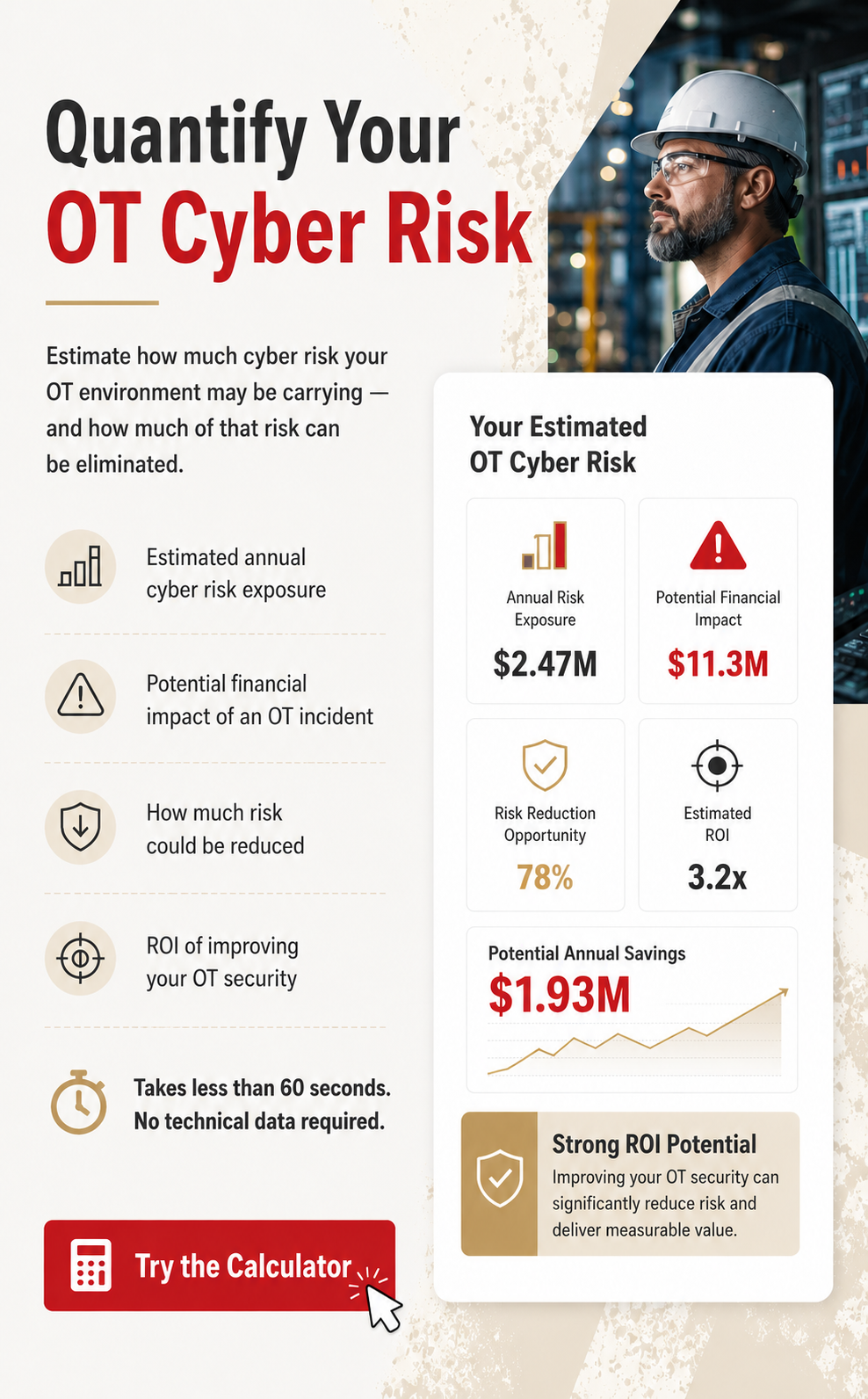






Explore the complete analysis of 23 OT attacks that defeated firewalls, VPNs, and air gaps.
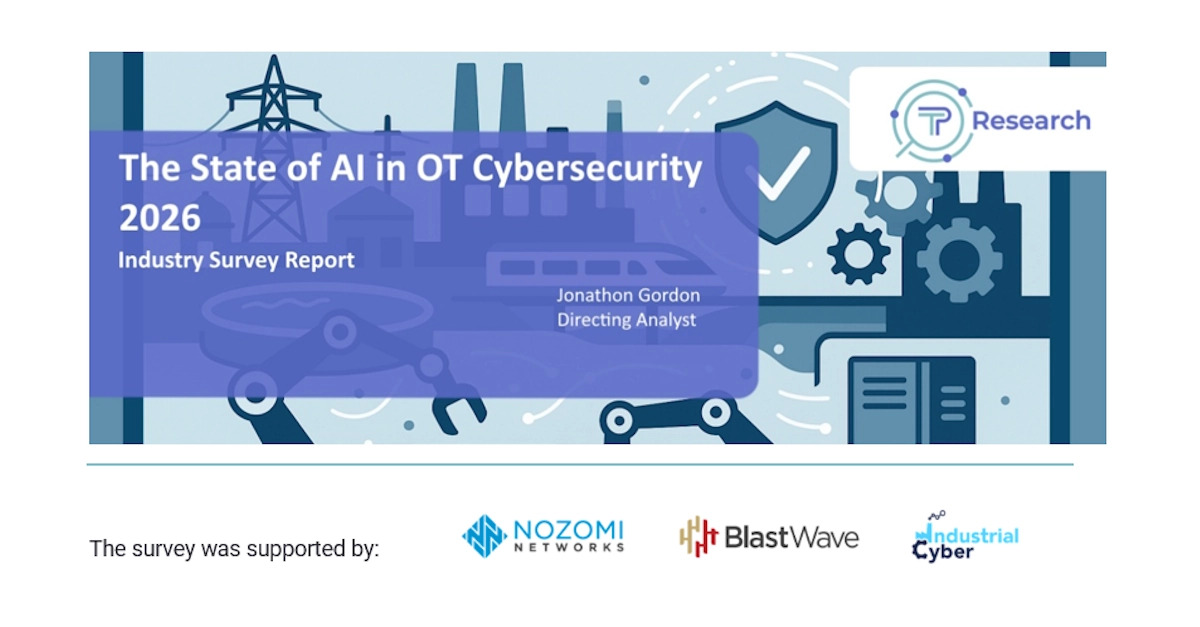
Less than 8% of OT and ICS Companies Have Robust AI Deployment, According to new Nozomi Networks and BlastWave-Sponsored Takepoint Research

.svg)
.svg)